
20ft Container vs Dry Van Shipping
When comparing a 20ft container vs dry van shipping container options for your supply chain or on-site storage layout, understanding spatial volume, durability, and intermodal transport capabilities ensures optimal freight efficiency, cost control, and secure cargo protection across global trade routes.
Evaluating the 20ft container for business logistics
When you map out your supply chain or on-site storage layout, the classic 20ft container remains the baseline unit of global trade. We see businesses rely on this specific size because it hits the sweet spot between carrying capacity and footprint economy. You can pack it tight with dense cargo, haul it on a standard chassis, or drop it into a tight urban depot without needing heavy-duty gantry cranes.
Dimensions and spatial capacity
A standard twenty-foot unit gives you roughly 33 cubic metres of volume. The external length sits at 20 feet, with a width of 8 feet and a standard height of 8.5 feet. Inside, you have about 5.9 metres of length, 2.35 metres of width, and 2.39 metres of height. When you pack palletised goods, you can comfortably fit 9 to 11 standard Europallets on the floor without stacking, depending on whether you use standard or wider dimensions. If your cargo is heavy rather than bulky, this footprint stops you from overloading the weight limits before you run out of physical space.
Durability and material standards
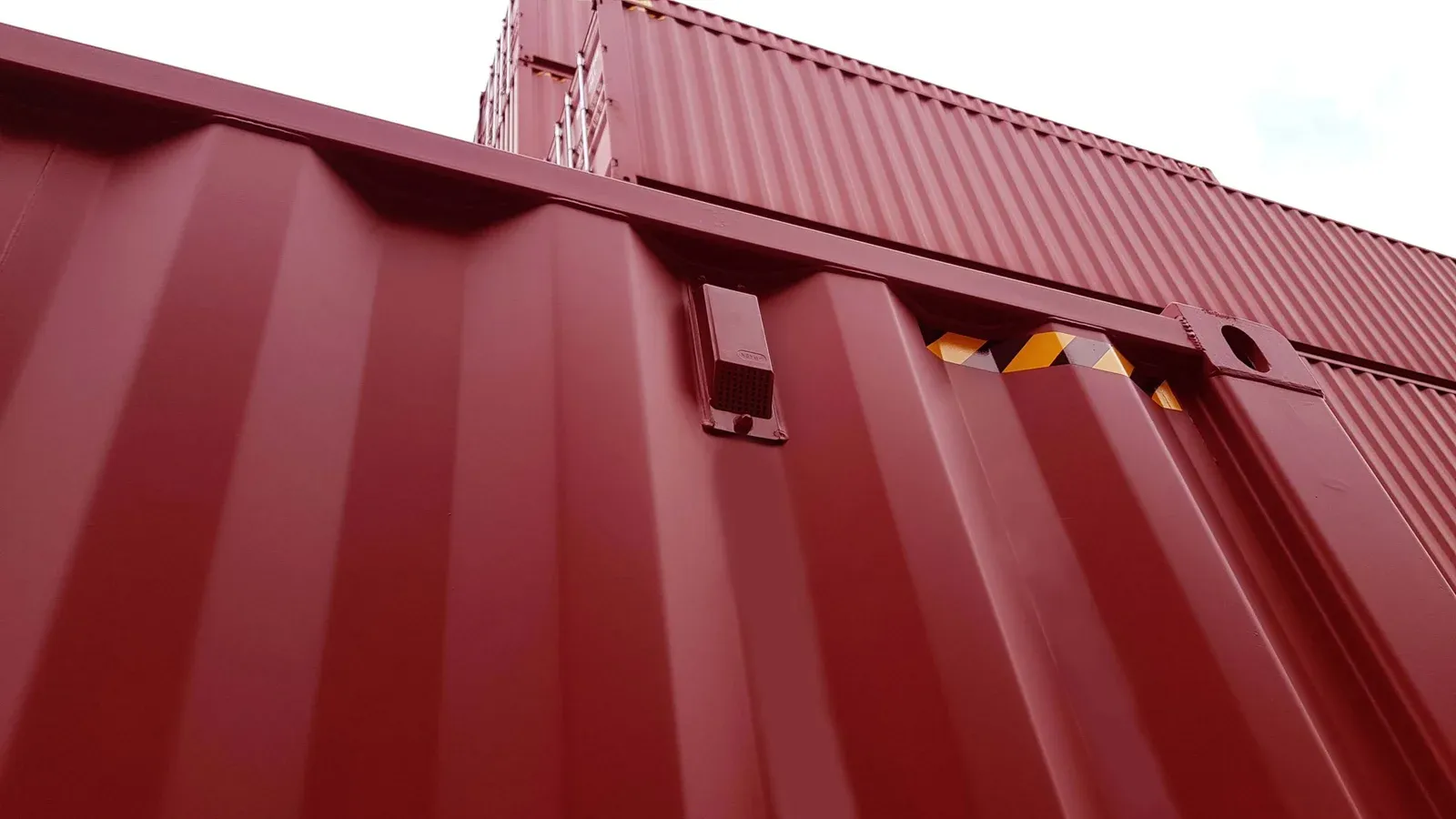
Every seaworthy box is built from COR-TEN steel, which resists atmospheric corrosion by forming a stable rust-like protective layer when exposed to the elements. The marine plywood floors are typically 28 millimetres thick, treated to withstand moisture and heavy forklift traffic. Corner castings comply with ISO standards, meaning you can lock the unit securely onto twist-locks on trucks, trains, and container ships. You get a structure designed to endure decades of salt spray, rough handling, and stacking up to nine units high when fully loaded.
Cost considerations for procurement
The price you pay for a 20ft container depends heavily on its grade, ranging from wind-and-water-tight used boxes to pristine one-trip units fresh off the manufacturing line in China. Used units offer the lowest upfront capital expense, making them ideal for static site storage. One-trip units cost significantly more, but they spare you from dents, patches, and previous cargo odours. You also need to factor in depot handling charges and local trucking fees, which often make up a substantial portion of the total delivery bill.
Evaluating the dry van for business logistics
The term dry van often refers to standard dry storage containers in international shipping, but in domestic logistics, it can also mean a semi-trailer box truck. For our purposes here, we focus on the dry van shipping container—a fully enclosed, weather-resistant steel box designed to protect general dry cargo from moisture, dust, and pilferage. You choose a dry van when your inventory requires secure, enclosed transit across intermodal networks without needing temperature control or liquid bulk tanks.
Dimensions and spatial capacity
Dry vans come in various lengths, most commonly 20-foot and 40-foot configurations, but the 40-foot high-cube dry van is the industry workhorse for high-volume, low-weight goods. A standard 40-foot dry van gives you roughly 67 cubic metres of internal volume. You can load up to 20 or 24 standard pallets on a single tier. The extra length lets you distribute weight more evenly across multiple axle sets when moving by road, which helps you comply with strict local highway weight limits.
Durability and material standards
Much like smaller ISO boxes, a dry van uses corrugated COR-TEN steel panels welded to a heavy-duty steel frame. The roof and side walls are engineered to withstand the pressures of shifting cargo and dynamic wind loads at high speeds on cargo vessels. Double doors at the rear feature robust locking gear, rubber gaskets to keep out driving rain, and cam-keepers that secure the load against theft. The interior floors are sealed to prevent ground moisture from seeping upward into sensitive packaging like cardboard boxes or textiles.
Cost considerations for procurement
Procuring a larger dry van requires a higher initial outlay than a smaller twenty-foot footprint, but your cost per cubic metre of storage or shipping space often drops. You must weigh the purchase price against the logistics efficiencies you gain by moving more goods in a single lift. If you lease your equipment, monthly rates for dry vans fluctuate based on global trade imbalances, repositioning fees, and peak shipping seasons.
Sourcing a shipping container locally in Singapore
Sourcing equipment in a dense logistics hub like Singapore requires an understanding of local terminal operations, land constraints, and transport regulations. You cannot simply park a truck anywhere to drop a heavy steel box. Successful procurement depends on coordinating port logistics and managing strict delivery windows with local hauliers.
Port logistics and terminal access
Most imported units arrive through Pasir Panjang Terminal or Jurong Port, managed by major port operators. If you buy units currently sitting inside bonded yards or port free-trade zones, your supplier must handle customs clearance and GST declarations through the local trade network before releasing the box. We recommend working with local depots that already have units cleared and stacked in yards outside the port gates, as this avoids complex port gate access procedures and demurrage fees.
Local transport and delivery fees
Transporting a steel box from a local depot to your facility in Singapore requires a specialised lorry crane, commonly known as a side-loader or a truck with a mounted crane. Because Singapore roads have strict height and weight restrictions, and many industrial estates feature tight turnings and overhead pipes, your transport provider must conduct a site check beforehand. Delivery fees typically include the trucking trip, crane operation time, and any necessary permits from local authorities for roadside placement.
How to buy a 20ft container for commercial use
When you buy a 20ft container, you need a clear checklist to ensure you get a structurally sound unit that serves its intended purpose. Whether you turn it into a site office, a pop-up retail space, or a secure warehouse depot, buying blind leads to costly surprises down the road.
Inspection and grading standards
You should always inspect the unit in person or request detailed photographs of all six sides, including the roof. Industry grading helps you set your expectations:
- One-trip units are practically new, featuring minimal cosmetic wear and pristine paintwork.
- Cargo-worthy units have valid CSC plates for international shipping, meaning the structural frame and doors pass strict safety standards.
- Wind-and-water-tight units keep the elements out but may have dents, rust spots, or expired CSC plates, making them suitable only for static storage.
- As-is units often have holes, major floor damage, or failing door seals, requiring significant welding and carpentry work.
Negotiating supplier contracts
Before you sign a purchase agreement, clarify what is included in the quoted price. Check whether painting, corporate branding, or minor repairs are part of the deal. Ask about warranty terms, especially for used boxes where roof leaks might only appear after the first heavy tropical downpour. Ensure the invoice explicitly states the container grade, serial number, and exact delivery terms to avoid disputes upon arrival.
Which unit to choose based on operational needs
Choosing the right equipment comes down to how you plan to use the space, how often you move it, and where you place it. We look at two main operational paths to help you decide.
Comparing storage versatility
If your operation deals with restricted yard space, uneven terrain, or frequent relocation between project sites, the smaller twenty-foot unit wins every time. It fits into standard car park lots and is easier to lift with standard equipment. If you manage high-volume distribution, consolidation centers, or long-term static warehousing where goods flow continuously in large batches, the larger dry van gives you the room you need without constantly reshuffling stock.
Final decision matrix for decision-makers
| Factor | 20ft Container | Dry Van (40ft High-Cube) |
|---|---|---|
| Spatial Volume | ~33 cubic metres | ~76 cubic metres |
| Footprint & Site Fit | Compact, fits standard parking spaces | Requires long clearance and wide turning radius |
| Best Use Case | Dense cargo, static site storage, tight spaces | High-volume distribution, intermodal transport |
| Handling Complexity | Low, manageable with standard lorry cranes | Moderate to high, requires specialized semi-trailers |
Frequently Asked Questions
What is the difference between a dry van and a standard shipping container?
In global logistics, a dry van is simply the enclosed, weather-resistant steel shipping container used for dry cargo. In domestic trucking, however, the term often refers to a semi-trailer box truck pulled by a tractor unit. Both protect goods from the weather, but ISO shipping containers are built for intermodal transport across ships, trains, and chassis.
How much does it cost to buy a 20ft container in Singapore?
Prices fluctuate based on global steel markets, shipping demand, and container grades. Used wind-and-water-tight units cost significantly less than brand new one-trip boxes. You must also budget separately for local transport, lorry crane services, and any applicable local taxes.
What are the standard dimensions of a 20ft container?
Externally, a standard twenty-foot unit measures 20 feet long, 8 feet wide, and 8.5 feet high. Internally, you get roughly 5.9 metres of length, 2.35 metres of width, and 2.39 metres of height, providing a total volume of approximately 33 cubic metres.