
Managing Your Cargo Container Budget
Managing your cargo container budget requires looking past the base purchase price to account for hidden friction points like site preparation, transport logistics, and custom modifications that can drain your funds before delivery day arrives.
Unpredictable Expenses in Your Project
You sit down to map out your site logistics, pencil in the purchase price of a steel box, and assume you are ready to roll. Then the invoices start landing, and the numbers bear little resemblance to your initial spreadsheet. Managing a storage or workspace project means looking past the base price tag to spot the friction points that drain your funds before the doors even swing open.
Hidden Site Preparation Fees
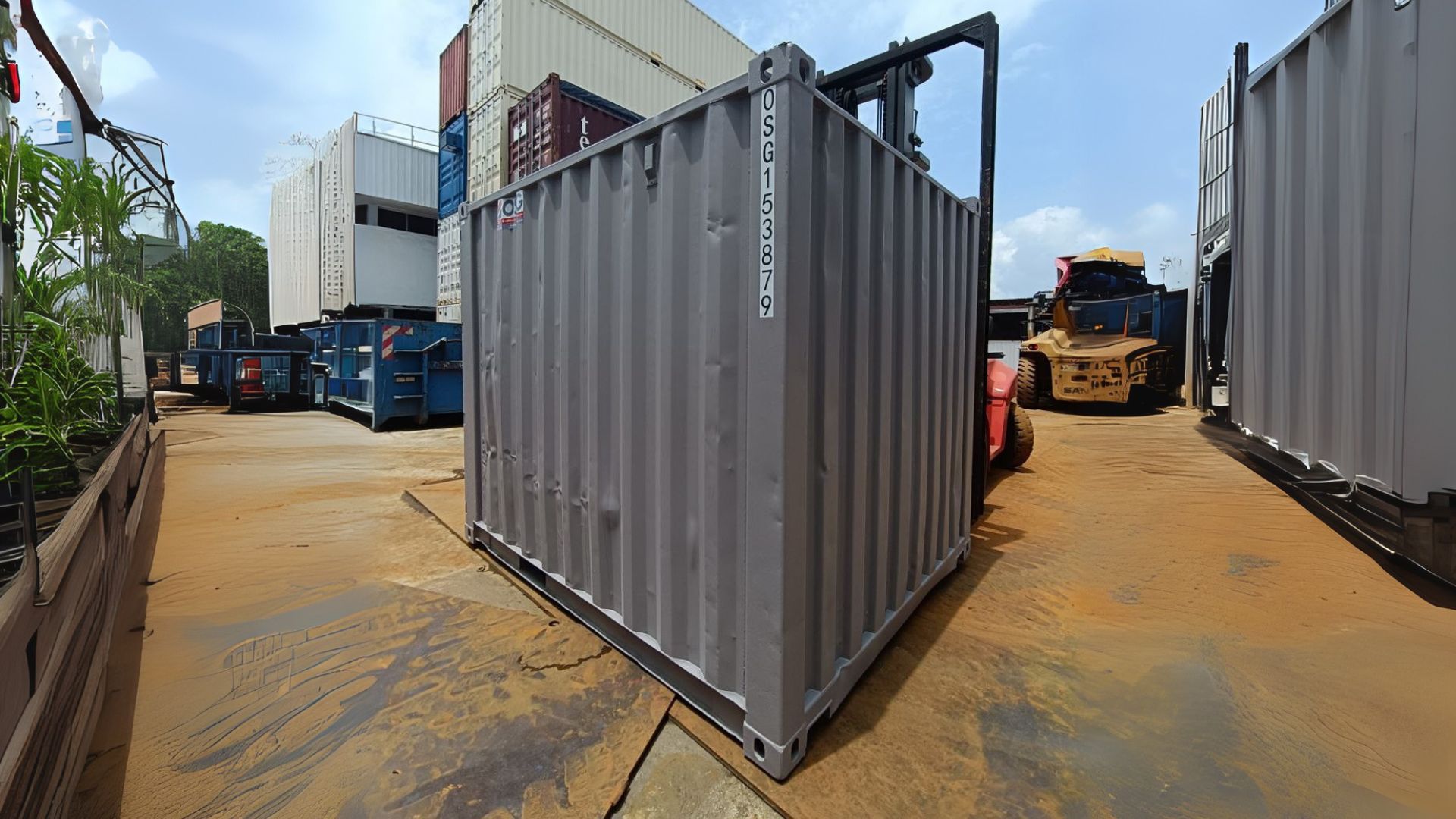
A heavy steel box cannot simply drop onto soft dirt or an uneven slope without consequences. If the ground shifts, the frame twists, and suddenly the cargo container doors jam shut and refuse to latch. You need to account for earthmoving, gravel pads, or concrete piers before delivery day arrives. Skipping this step leads to expensive emergency leveling work or structural strain that ruins the unit over time.
Delivery Surprises
Truck drivers face strict weight limits, tight turn radiuses, and overhead power lines that can turn a routine drop-off into a failed trip. If a tilt-bed truck arrives at your gate and cannot maneuver into position, you pay for a wasted trip plus a second attempt with a crane. We always advise checking your access route with a measuring tape and sharing photos of the drop zone with your supplier before you finalize the transport plan.
Why Standard Market Estimates Fall Short
Online calculators and quick supplier quotes give you a dangerous sense of false security by quoting bare-minimum boxes sitting in a distant depot. When you buy industrial equipment, the sticker price assumes you pick it up yourself and use it in factory condition. Real projects demand modifications, permits, and heavy transport that double the baseline figure.
Ignoring Modification Expenses
A raw box lacks windows, insulation, ventilation, and electrical panels. Once you start cutting into corrugated steel to install roll-up doors or HVAC units, the labor and material bills climb fast. You must budget for professional fabrication unless you want rust to take over poorly sealed joints within a single rainy season.
Overlooking Transport Logistics
Moving a large steel box across state lines or through dense urban centers involves more than just loading it onto a flatbed. You deal with interstate fuel surcharges, multi-axle permits, and local delivery fees that scale directly with distance. Failing to map out these transport legs leaves you exposed to sudden freight spikes that blow past your contingency fund.
Analyzing Real Expense Drivers
Every decision you make regarding the condition and layout of your equipment shifts the financial equation. Understanding where your money actually goes helps you cut unnecessary frills without compromising structural integrity or on-site safety.
New Versus Used Unit Conditions
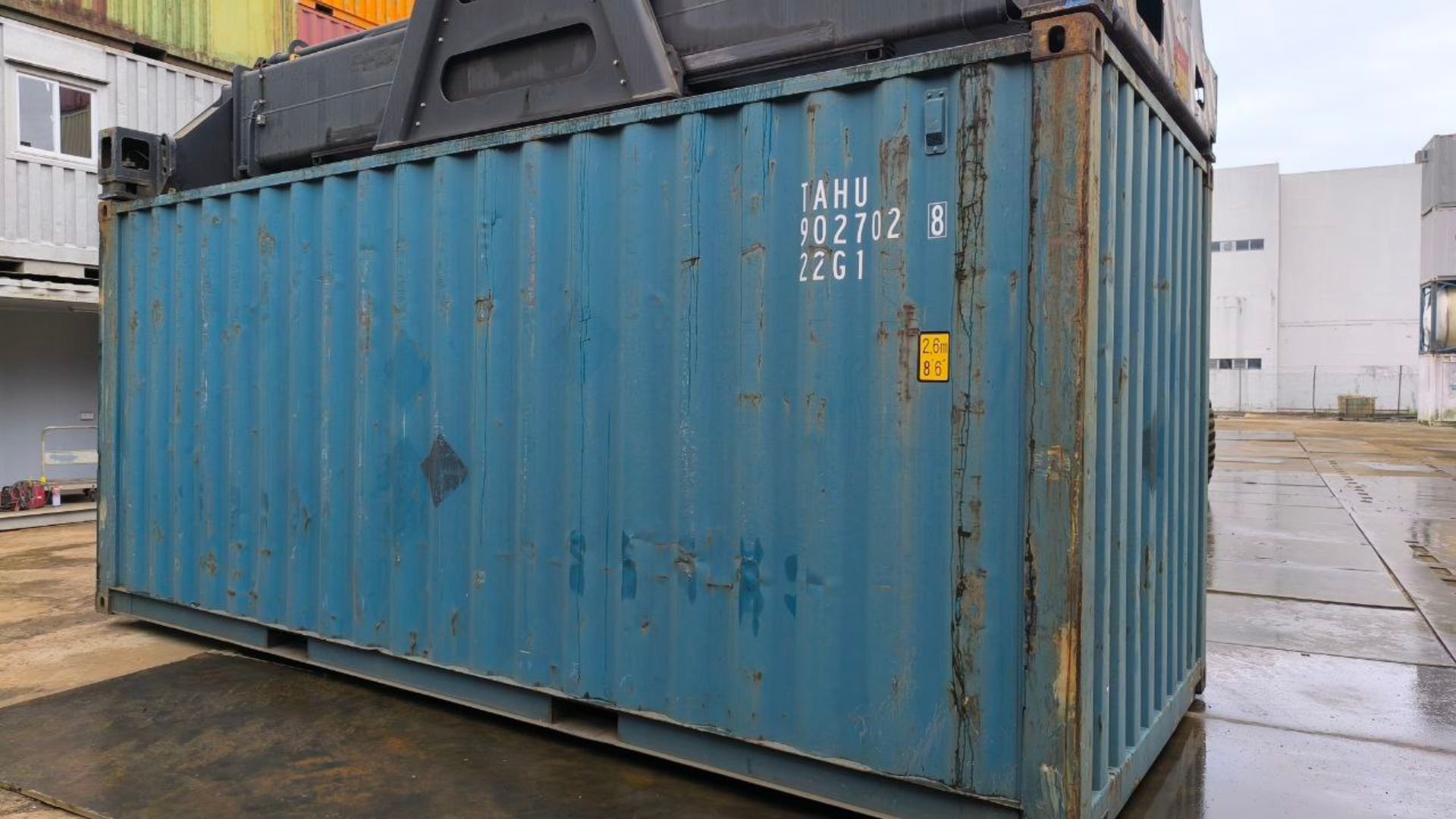
One-trip units offer pristine paint and dent-free walls, but they carry a hefty premium over retired shipping lines boxes that have spent a decade crossing the Pacific. Used boxes may feature surface rust or patch jobs, yet they remain structurally sound and weatherproof at a fraction of the cost.
| Unit Condition | Typical Look | Best Use Case | Relative Expense |
|---|---|---|---|
| One-Trip (New) | Factory paint, straight walls, clean floors | Retail pop-ups, public-facing offices | Highest |
| Cargo-Worthy (Used) | Surface rust, dents, valid CSC plate | Secure tool storage, jobsite workshops | Moderate |
| Wind and Watertight | Heavy wear, patched spots, no leaks | Covered warehouse storage | Lowest |
Structural Customization Fees
Adding a personnel door is straightforward, but cutting three massive openings for roll-up garage doors requires welded steel reinforcements to keep the roof from sagging. The more custom your fabrication request, the higher your cargo container cost climbs due to specialized engineering and shop labor.
Evaluating Market Valuations and Quotes
Steel prices fluctuate based on global manufacturing output, scrap metal demand, and regional supply chain bottlenecks. If you review quotes from three different months, you will see wild swings that have nothing to do with local vendor greed.
Comparing Regional Vendor Rates
Depots near major coastal ports or bustling intermodal rail hubs usually feature lower baseline equipment rates because inventory turnover stays high. Inland buyers pay extra for repositioning fees as trucking companies haul empty units hundreds of miles away from the nearest port.
Seasonal Rate Fluctuations
Construction booms in the spring and summer drive up demand for portable storage, pushing prices up across the board. If your project timeline allows flexibility, shopping for equipment during the late winter slowdown often secures you a better cargo container price.
Optimizing Your Procurement Strategy
Smart buyers do not accept the first retail rate they find on a search engine results page. Controlling your overhead requires deliberate tactics that leverage volume and direct relationships with yard operators.
Bulk Purchasing Options
If your operation spans multiple sites or requires a small fleet of offices, buying five or ten units at once unlocks volume discounts that single-unit buyers never see. Suppliers prefer clearing out row space quickly, and they reward large orders with reduced per-unit delivery fees.
Direct Supplier Negotiations
Work with regional depot owners rather than third-party brokers who add a markup for managing the paperwork. When you talk directly to the yard manager, you can negotiate package deals that bundle the box, the delivery, and basic modifications into one clear rate.
- List your exact dimension, door configuration, and condition requirements before contacting any vendor.
- Request itemized quotes that separate the box price, modifications, and freight fees clearly.
- Ask about depot pickup options if you have your own flatbed trailer to eliminate delivery markups entirely.
- Review the release paperwork to ensure the unit includes a valid inspection seal or CSC plate for structural safety.
Confirming Financial Success
Keeping your project on budget does not end when the truck drives away from your site. You need rigorous follow-up habits to catch billing errors and measure whether your equipment purchase delivered the expected operational value.
Auditing Final Invoices
Compare your original quote line by line against the final invoice to spot unauthorized fuel surcharges, unexpected lift fees, or incorrect tax calculations. Vendors make administrative mistakes during busy weeks, and catching these discrepancies early saves you from unnecessary overpayment.
Tracking Long-Term Value
Calculate your total investment against the months of secure storage or operational workspace the unit provides. A durable steel box outlasts temporary wooden sheds many times over, making your initial capital outlay a sound long-term investment for your business.
Frequently Asked Questions
What is the average cargo container cost?
Prices vary widely based on condition and size, but standard used twenty-foot units typically range from modest base rates to higher figures for forty-foot high-cube alternatives. Specialized modifications add to this baseline significantly.
How do cargo containers prices vary by region?
Regions close to major maritime ports enjoy lower rates due to high inventory availability. Inland areas face higher freight charges because trucks must haul the units long distances from coastal distribution hubs.
What factors influence cargo container price?
Condition, size, local inventory levels, transport distance, and custom fabrication work all play direct roles in determining your final equipment investment.