
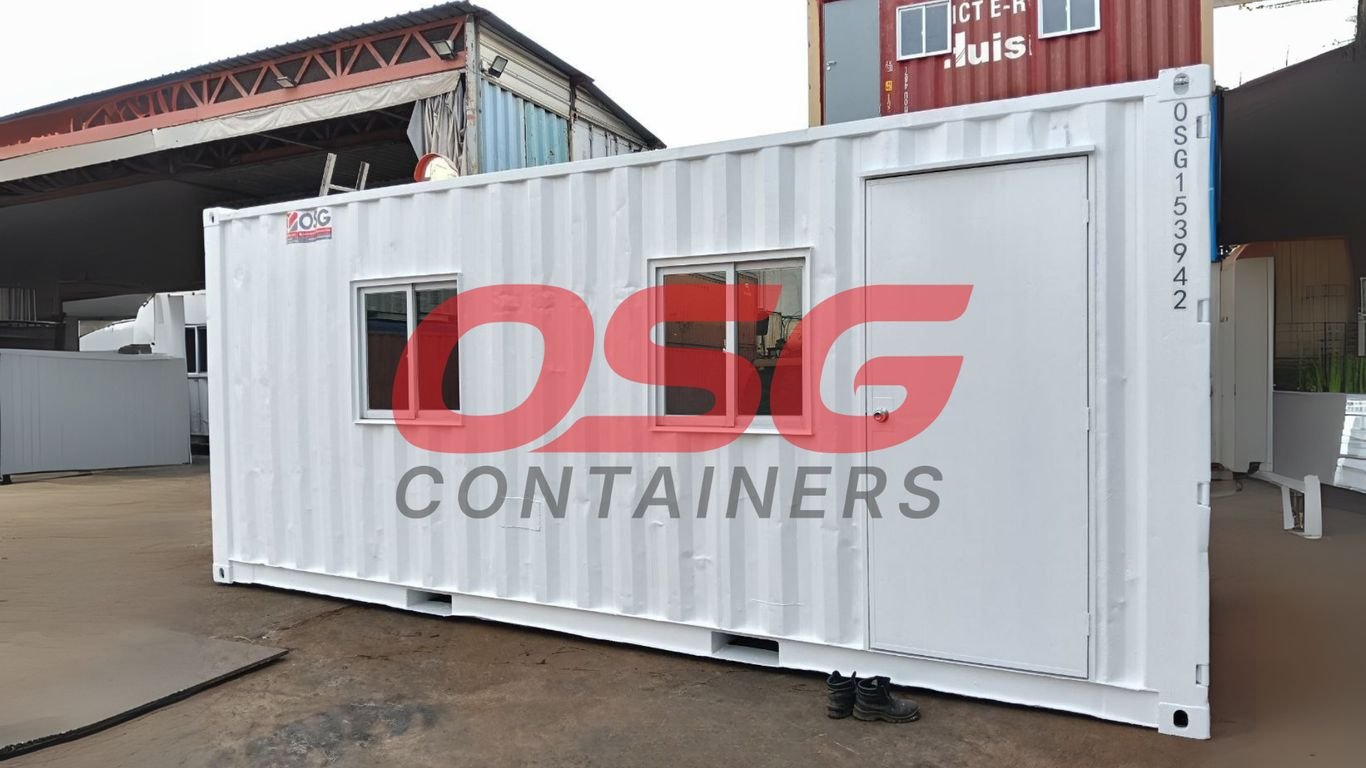
So, you’re thinking about getting a containers office for your business. It’s a smart move, honestly. These things are popping up everywhere, and for good reason. They offer a way to get a functional workspace set up fast, without the huge hassle and cost of building something from scratch. Whether you need a spot for your crew on a construction site or a quick setup for a sales team, a containers office can really fit the bill. Let’s break down why they’re becoming so popular and what you need to know.
Key Takeaways
- Container offices offer a much faster setup compared to traditional buildings, cutting down on project delays and giving you usable space sooner.
- These units are built tough from steel, making them durable and secure, able to withstand various weather conditions and deter break-ins.
- You get a lot of flexibility with container offices; they can be moved to different sites as your needs change, unlike permanent structures.
- Choosing between buying and renting a containers office depends on how long you need it and how much you want to customize it. Buying is for the long haul, renting for short-term needs.
- Customizing your containers office for comfort and productivity, like adding good insulation, climate control, and smart lighting, makes a big difference in daily work.
Why Businesses Are Choosing Container Offices
So, why are so many businesses ditching traditional construction for these steel boxes? It really boils down to a few big things: speed, flexibility, and a surprising amount of control over the whole process. Traditional building projects can be a real headache, right? You’re looking at long timelines, unpredictable weather delays, and costs that seem to creep up no matter how carefully you plan. Container offices offer a way around all that.
Speed and Predictability Over Traditional Builds
Let’s face it, time is money. When you need extra office space, waiting months for a new building to go up just isn’t an option for most operations. Container offices are built off-site in a controlled environment, which means they aren’t subject to the same weather delays or on-site labor issues that plague traditional construction. This makes the timeline much more predictable. You can often have a fully functional office space ready in a matter of weeks, not months. This speed means you can get your team set up and productive much faster, giving you a real edge.
- Faster Deployment: Get operational in days or weeks, not months.
- Reduced Weather Delays: Construction happens indoors, away from the elements.
- Predictable Timelines: Less uncertainty compared to ground-up builds.
- Minimal Site Disruption: Your existing operations can continue with fewer interruptions.
The ability to get a professional workspace up and running quickly is a major draw. It means less downtime and a faster return on investment.
Control Over Customization and Phased Upgrades
One of the cool things about container offices is that you’re not locked into a massive, all-or-nothing build from day one. You can start with the basics – think insulation, power, and lighting – and then add more features as your needs or budget allow. This phased approach gives you a lot of control. Maybe you need a simple site office now, but in six months, you’ll need a more elaborate setup with private offices and meeting rooms. A container office can adapt.
- Start Simple, Expand Later: Add features as needed.
- Budget Flexibility: Spread costs over time.
- Adaptable Design: Modify the space to fit evolving business needs.
Revolutionizing Modern Workspaces
These aren’t just glorified sheds. When done right, container offices are sturdy, secure, and surprisingly comfortable. They’re built from heavy-duty steel, designed to withstand tough conditions, which makes them incredibly durable. Plus, the security aspect is a big plus – that steel shell is a natural deterrent. They’re changing how businesses think about temporary or even permanent workspace solutions, offering a practical, adaptable alternative that just makes sense for a lot of companies today.
Key Benefits Of Container Offices
Superior Durability and Security Features
These units are built tough. Think about it: shipping containers are designed to handle rough seas and all sorts of weather. That means they’re naturally strong and can stand up to a lot, which is great for any site office. The heavy-duty steel construction means they can take a beating and keep going, lasting for years with just basic upkeep. Plus, that steel shell is a pretty good deterrent for anyone thinking about breaking in. You can get them with upgraded locks and even ready for security cameras, giving you peace of mind about your equipment and important papers.
Unmatched Mobility and Site Flexibility
One of the biggest wins is that you can move these offices. If your project moves to a new location, or if you need to reconfigure your site, you can just pick up the container office and take it with you. This is a huge deal for construction companies or businesses that work on different sites. It means your team has a consistent workspace no matter where the job takes them. No more building something new every time you change locations.
Cost and Time Efficiency Advantages
Let’s talk about saving money and time. Getting a container office set up is way faster than traditional building. We’re talking days or weeks, not months. This means your team can get to work sooner. Because a lot of the work can happen off-site in a controlled setting, you avoid delays from bad weather or on-site issues. This often cuts down on labor costs too. It’s a practical way to get professional office space without the massive upfront cost and long wait of building from scratch.
Here’s a quick look at how they stack up:
- Speed: Operational in days, not months.
- Cost: Significantly lower initial investment compared to traditional builds.
- Flexibility: Easily relocated or repurposed as needs change.
- Durability: Built to withstand harsh conditions for long-term use.
When you need a reliable workspace that can keep up with a changing schedule or location, a container office just makes sense. It’s a smart choice for keeping operations moving smoothly.
Tailoring Your Container Office For Functionality
So, you’ve got your container, and it’s a solid shell. Now comes the fun part: making it actually work for you. It’s not just about sticking a desk in there; it’s about creating a space where people can get stuff done without feeling like they’re in a metal box. Getting the layout and features right from the start makes a huge difference in how useful the space becomes.
Essential Customizations for a Functional Workspace
Think about what you really need. Is it just a place to park yourself and your laptop, or do you need room for a small team to huddle? Different container sizes lend themselves to different setups. A 10-foot unit might be perfect for a solo security guard or a site supervisor, keeping things simple and compact. A 20-foot container opens up possibilities for a couple of people, maybe with a small meeting area. And a 40-foot unit? That’s where you can really spread out, set up multiple workstations, or even have a dedicated zone for equipment.
Here are some basics to consider:
- Climate Control: This is non-negotiable, especially if you’re in a place with wild temperature swings. Air conditioning and heating systems, whether it’s a simple window unit or a more integrated mini-split, keep things comfortable year-round. Good ventilation is key too, to stop that stuffy feeling.
- Electrical Systems: You’ll need power for lights, computers, and whatever else your team uses. Think about outlets, lighting fixtures (LEDs are great for saving energy), and maybe even a backup generator hookup.
- Insulation: This goes hand-in-hand with climate control. Proper insulation keeps the heat out in the summer and in during the winter, making the space much more pleasant and cutting down on energy costs.
Don’t underestimate the power of good insulation. It’s not just about comfort; it’s about creating a stable environment that protects your equipment and helps people focus without being distracted by the weather outside.
Climate Control and Ventilation for Comfort
Let’s be honest, nobody works well when they’re sweating buckets or shivering. A container can get hot, fast, especially in direct sun. Adding an HVAC system is probably the first thing you’ll want to do. For smaller units, a robust window AC or a portable unit might do the trick. For larger spaces, a mini-split system offers more even cooling and heating. Pair this with vents placed strategically to keep air moving. This isn’t just about feeling good; it helps prevent moisture buildup and keeps the air fresh, which is important if people are spending all day in there.
Smart Space Planning and Ergonomic Layouts
Once the basics are covered, it’s time to think about how people will actually use the space. Maximizing every square foot is the name of the game.
- Furniture: Think multi-functional. A desk with built-in storage, modular shelving units, or even a fold-down table can save a lot of space. Ergonomic chairs are a must if people are sitting for long periods.
- Layout: Consider traffic flow. You don’t want people constantly bumping into each other. Open-plan layouts work for collaboration, but sometimes a small partition can create a bit of privacy for focused work.
- Natural Light: If possible, position desks near windows. Natural light is a mood booster and can reduce eye strain. Adding skylights or larger windows can really open up the space.
| Container Size | Approx. Sq. Ft. | Best For |
|---|---|---|
| 10ft | 70 | Guard post, supervisor station |
| 20ft | 150 | Small team workspace, individual offices |
| 40ft | 300 | Larger teams, multiple workstations, field office |
Remember, the goal is to create a workspace that’s not just functional but also comfortable and productive. A little planning goes a long way in turning a simple container into a great office.
Versatile Container Office Use Cases
A container for office use isn’t just for construction sites anymore. These adaptable spaces are popping up everywhere, solving all sorts of business needs. Think of them as blank canvases ready to become whatever you need them to be, quickly and without a huge fuss.
Industries Leveraging Containerized Offices
Lots of different fields are finding these units incredibly useful. Construction companies, for example, use them as sturdy field offices that can easily move from one project to the next. Manufacturing plants might set them up as control rooms or planning centers right on the factory floor. Even the energy sector uses them in remote spots where a secure, reliable workspace is a must. It’s all about having a functional space exactly where you need it.
Adaptable Solutions for Sales and Retail
Retailers are getting creative too. A container office can be transformed into a really cool pop-up shop, letting businesses test out new markets without committing to a long-term lease. They also work great as mobile sales offices, attracting attention with their modern, industrial look. Imagine setting up a temporary storefront for a special event or a seasonal sale – it’s fast, cost-effective, and can be branded to really stand out.
Remote Work Hubs and Administrative Centers
Need a quiet place to focus away from home or the main office? A container office can be that dedicated, distraction-free zone. They’re also perfect for temporary administrative needs, like during a company expansion or renovation. Instead of disrupting your main operations, you can set up a fully functional office container nearby. It’s a smart way to keep things running smoothly during transitions.
The real beauty of a container office lies in its flexibility. You can configure it for sales, administration, or even as a quiet retreat for focused work. This adaptability means your workspace can grow and change with your business needs, without the delays and costs associated with traditional building.
Here’s a quick look at how different sectors are using them:
- Construction: On-site project management and site offices.
- Retail: Pop-up shops, seasonal stores, and mobile sales points.
- Events: Ticket booths, information kiosks, and vendor stalls.
- Remote Work: Dedicated home offices or satellite work hubs.
- Administration: Temporary offices during renovations or expansions.
Acquiring Your Container Office Solution
So, you’ve decided a container office is the way to go. That’s great! Now comes the part where you actually get one. It’s not super complicated, but there are a couple of big decisions to make that will shape your whole experience. Think of it like picking out a car – you wouldn’t just grab the first one you see, right? You need to figure out what fits your needs and your wallet.
Buying vs. Renting: A Strategic Decision
This is probably the first big fork in the road. Do you buy it outright, or do you rent it?
- Buying: This makes sense if you know you’ll need the space for a long time, say five years or more. You get to customize it exactly how you want, and it’s yours. It’s an investment, and you can even put it on your company’s books. But, the upfront cost is higher, and you’re responsible for it long-term.
- Renting: If your need is temporary – maybe for a specific project or a short-term expansion – renting is often the smarter move. The initial cost is way lower, and you don’t have to worry about what to do with it when you’re done. The downside is you can’t customize it as much, and you’re just paying for use, not ownership.
Here’s a quick look at how they stack up:
| Feature | Buying a Container Office | Renting a Container Office |
|---|---|---|
| Duration | Long-term (5+ years) or permanent | Short-term (under 5 years) or temporary |
| Upfront Cost | Higher initial investment | Lower initial cost |
| Ownership | Full ownership, an asset | No ownership, an operational expense |
| Customization | Complete freedom | Limited options, often standard |
Understanding Total Costs and Deployment
Don’t just look at the sticker price. You’ve got to think about the whole picture. What’s the actual cost to get it set up and running? This includes delivery fees, any site prep work you might need (like leveling the ground), and hookups for utilities if you’re going that route. For a site office, you might need to factor in things like temporary fencing or security measures too. It’s easy to get blindsided by hidden costs, so ask lots of questions upfront.
When you’re figuring out the total cost, remember to include delivery, installation, and any utility hookups. These can add up quickly, especially if your site is a bit tricky to access.
Choosing the Right Container Size
Containers come in standard sizes, usually 20-foot or 40-foot lengths. Think about how many people will be using the space and what they’ll be doing in there. A small site office for one or two people might be fine with a 20-footer. But if you need room for multiple desks, a small meeting area, or storage, you’ll probably want to go for the 40-foot option. It’s better to have a little extra space than to feel cramped all the time.
Enhancing Comfort and Productivity
So, you’ve got your container office set up – that’s awesome! But how do you make it a place where people actually want to work and get stuff done? It’s not just about having walls and a roof; it’s about the little things that make a big difference.
Finishing Touches for Daily Workflow
Think about how you use the space day-to-day. Are there enough outlets for all your gadgets? Is the lighting good enough that you’re not squinting at your screen by 3 PM? Adding a few well-placed power strips or even a small surge protector can save a lot of hassle. Consider a small, dedicated spot for charging phones and other devices so they aren’t cluttering up your main workspace. Even something as simple as a coat hook or a small shelf near the door can make the space feel more organized and less chaotic.
Sound Reduction for Focused Environments
Let’s be real, construction sites or busy streets can be noisy. If you need to concentrate, that constant hum or occasional loud bang can be a real productivity killer. Adding some sound-dampening materials can make a huge difference. Think about acoustic panels for the walls – they don’t just look cool, they actually absorb sound. Even upgrading to double-pane windows can cut down on a surprising amount of outside noise. It turns your container office from a noisy box into a quiet zone where you can actually get your head in the game.
Lighting and Connectivity for Optimal Performance
Good lighting is more than just seeing; it affects your mood and energy levels. Maximize natural light by keeping windows clear and maybe even adding a skylight if possible. For artificial light, go for LED bulbs. They use less energy and give off a more natural light that’s easier on the eyes than harsh fluorescents. When it comes to staying connected, a reliable internet connection is non-negotiable. If Wi-Fi is spotty, look into boosters or even a dedicated mobile hotspot. For those really remote spots, satellite internet might be your best bet. Nobody wants to deal with dropped calls or laggy video conferences when they’re trying to get work done.
Making a container office comfortable and productive is all about thoughtful details. It’s about creating an environment that supports focus, minimizes distractions, and makes the workday more pleasant. Small upgrades in insulation, lighting, and sound control can have a significant impact on how people feel and perform in the space.
The Takeaway: Smart Space, Smart Choice
So, when it comes down to it, container offices really do offer a solid middle ground. They’re not just cheap boxes; they’re practical solutions that get you up and running fast without breaking the bank. Plus, you can actually make them comfortable and functional for your team. Whether you’re on a busy construction site, need a temporary spot for a retail pop-up, or just want a quiet place to work away from home, these units adapt. They give you that professional space you need, when you need it, and can even move with you. It’s a smart way to handle workspace needs in today’s fast-paced world.
Frequently Asked Questions
What exactly is a container office?
Think of a container office as a big metal box, like the ones you see on ships, that’s been turned into a useful room for working. It’s a strong, safe space that can be set up pretty quickly almost anywhere you need it.
Are container offices cheaper than regular buildings?
Yes, usually they are! Building a regular office takes a lot of time and money. Container offices are often way less expensive because they use pre-made boxes and don’t need as much building work on site.
How long does it take to get a container office ready?
Much faster than a normal building! You can often have a container office ready to use in just a few days or weeks, depending on how much you want to change inside. Traditional buildings can take months or even years.
Can I make my container office look and work however I want?
You sure can! You can add things like windows, doors, air conditioning, heating, electricity, and even paint it a certain color. You can set it up to be perfect for what you need to do in there.
Are container offices strong and safe?
They are built super tough! They’re made of strong steel to handle rough weather and keep things inside safe. They have strong locks too, which helps protect your stuff and important papers.
Can I move my container office if I need to?
That’s one of the best parts! Because they’re built like shipping containers, you can move them from one place to another. This is great if your work moves around a lot, like on different construction sites.