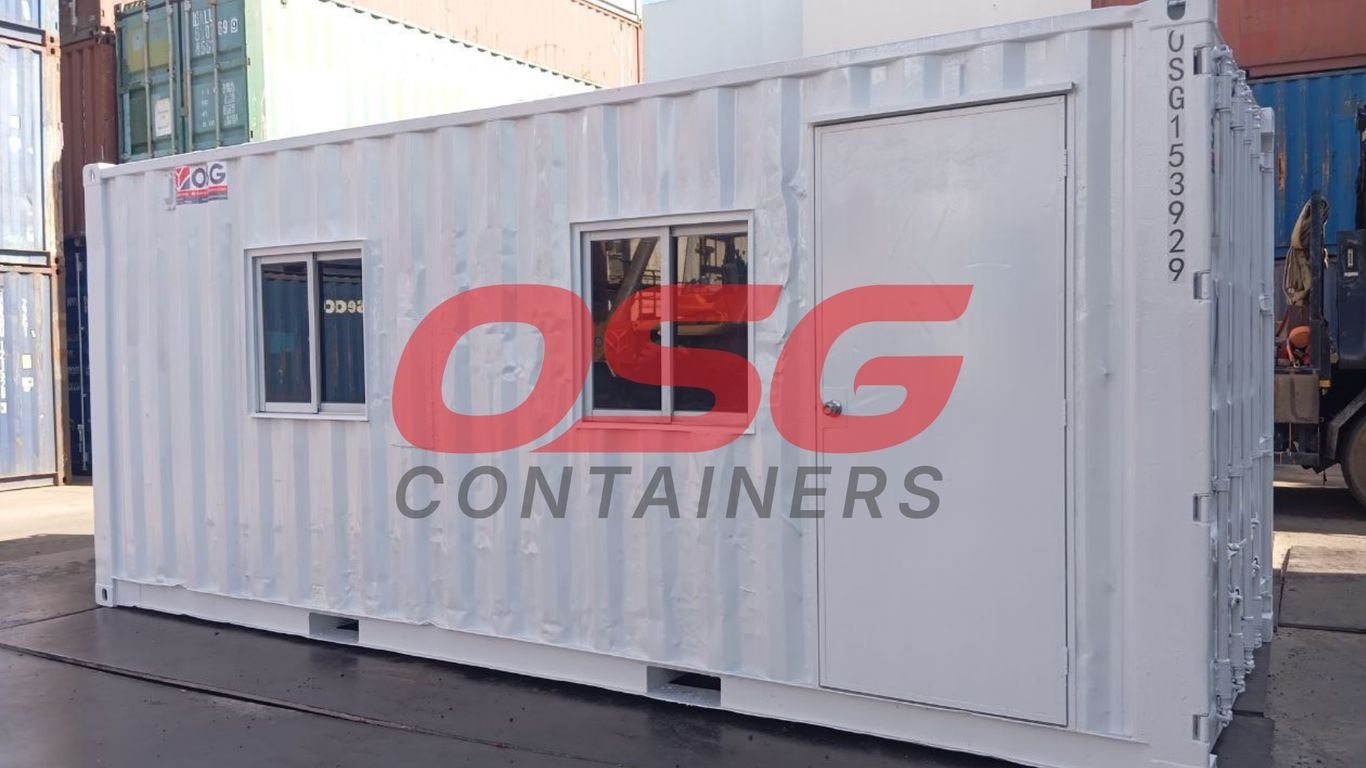
You know, it’s kind of wild how much things have changed. Remember when building a temporary office meant a clunky trailer that looked like it had seen better days? Well, those days are fading fast. Now, shipping containers are popping up everywhere, from busy construction sites to lively event grounds. People are realizing these aren’t just for hauling goods across the ocean anymore. They’ve become these super practical, surprisingly good-looking spaces for work. This whole container office rental thing? It’s really taken off, and for good reason. Let’s chat about why.
Key Takeaways
- Container office rental is popular because it’s cheaper and faster than building traditional offices, especially for short-term needs.
- These offices are tough, built from strong shipping containers that can handle rough conditions on job sites or at events.
- They’re super flexible. You can use them as field offices, sales booths, or temporary admin spots, and they can be moved around easily.
- You can actually customize them quite a bit, adding things like desks, better lighting, or security features to make them work just right for you.
- Renting is often the way to go for short projects, while buying might make sense if you need a space for a really long time.
The Growing Popularity Of Container Office Rental
Cost-Effective And Economical Solutions
Look, building something from scratch takes ages and costs a fortune, right? That’s where these container offices really shine. They’re just way cheaper to get your hands on compared to putting up a traditional building. Think about it: you’re not dealing with all the permits, the endless foundation work, or the huge labor costs. It’s a smart way to get a functional workspace without breaking the bank. Plus, they’re modular, so if your needs change, you can add more or take some away. You only pay for what you actually need, which is pretty sweet.
Rapid Deployment And Installation
Time is money, especially on a job site or during a big event. Nobody wants to wait around for weeks or months for a building to be finished. Container offices are the opposite of that. They show up pretty much ready to go. We’re talking days, not months. They don’t need massive foundations or a ton of construction crew running around. They just get dropped off, hooked up, and boom – you’ve got an office. This means less downtime and your team can get to work much faster.
Durability And Robust Construction
These aren’t flimsy sheds, you know. Shipping containers are built tough. They’re designed to handle rough seas, extreme weather, and being stacked high. That means they’re super strong and can take a beating on a busy construction site or out in the elements. They’re made of steel, so they’re not going to fall apart easily. This makes them a really reliable and secure place for your staff and any important equipment or documents you need to keep safe.
Versatile Applications For Container Offices
Shipping container offices are popping up everywhere, and for good reason. They’re not just for construction sites anymore. Their adaptability means they fit into all sorts of roles, making them super useful for a bunch of different industries and situations.
Construction Site Field Offices
On a busy construction site, you need a reliable spot to manage everything. Container offices are perfect for this. They can be set up quickly right where the action is, giving foremen and project managers a central place to plan, hold meetings, and keep track of progress. Plus, they’re tough enough to handle the rough environment of a job site.
- Quick setup means less downtime. Get your office on-site and operational in days, not weeks.
- Durable construction withstands weather and site activity.
- Mobile – move it to the next phase of the project easily.
These units provide a secure and functional base of operations, keeping essential paperwork and equipment safe from the elements and site hazards.
Event Coordination And Sales Booths
Planning a big event or running a temporary sales operation? A container office can be your command center or your customer-facing booth. For events, they can serve as ticketing stations, information hubs, or even VIP lounges. For sales, they offer a professional and eye-catching space to meet potential buyers and showcase products.
| Application | Key Features |
|---|---|
| Event Info Booth | High visibility, quick setup, weather protection |
| Temporary Sales Office | Professional appearance, secure storage |
| On-site Management Hub | Climate control, connectivity options |
Temporary Administrative Hubs
Sometimes, businesses need extra office space for a specific project or a transitional period. Maybe you’re renovating your main building, expanding rapidly, or need a dedicated space for a research team. Container offices offer a practical, cost-effective solution. They can be configured with desks, meeting areas, and all the necessary tech to keep your administrative tasks running smoothly without disrupting your main operations.
- Scalable: Add more units as your team or project grows.
- Customizable interiors: Design the layout to suit your specific administrative workflow.
- Secure: Protect sensitive company data and equipment.
These shipping container offices are proving to be a game-changer, offering flexibility and practicality that traditional buildings just can’t match for short-to-medium term needs.
Key Advantages Of Container Office Rental
When you’re looking at options for temporary workspaces, especially for construction sites or big events, the advantages of renting office containers really stand out. These aren’t just metal boxes; they’re smart solutions designed for modern work. The flexibility and speed they offer are hard to beat.
Unmatched Mobility And Portability
One of the biggest draws of a container office for rent is how easy it is to move. Think about it: your project might shift locations, or an event wraps up. Instead of leaving a structure behind or dealing with complex demolition, you can simply pick up your office container and take it with you. This means your team always has a familiar and functional workspace, no matter where the job takes them. It’s like having a portable headquarters that moves with your business needs. This kind of mobility is a game-changer for companies that operate across different sites or have projects with changing geographical requirements.
Customizable To Fit Specific Needs
Don’t let the basic shell fool you. These office containers for rent can be surprisingly adaptable. Need a simple desk area with good lighting? Easy. Require a small conference space or secure storage for sensitive documents? That can be done too. You can add things like built-in shelving, better insulation for climate control, or even specific power outlets for your equipment. The goal is to make the space work for you, not the other way around. It’s about creating an efficient environment tailored to your team’s workflow and the demands of the project.
Enhanced Security For Assets And Information
Work sites, especially in construction, often have valuable equipment and important paperwork. A standard temporary setup might not offer much protection. However, office containers are built from strong steel, making them inherently more secure. You can often opt for upgraded locks, reinforced doors, and even prepare the unit for security cameras or alarm systems. This peace of mind is invaluable, knowing that your tools, materials, and confidential information are better protected from theft or damage. It’s a solid, dependable structure that keeps your operations safe.
The robust construction of these units provides a level of security that many traditional temporary structures simply can’t match. This is particularly important when dealing with valuable equipment or sensitive project documentation on-site.
Optimizing Your Container Office Experience
So you’ve got your container office, that’s great. But how do you make it work for you, day in and day out? It’s not just about having a roof over your head; it’s about making that space actually help you get things done. Think about it like setting up your home office – a few smart choices can make a huge difference.
Interior Customization For Workflow
When you’re working out of a container, space is obviously a big deal. You want to make sure everything is laid out so you can move around easily and find what you need without a fuss. This means thinking about where your desk goes, how much storage you need, and if you need a little spot for quick meetings.
- Layout Planning: Map out where your main workstations will be. Consider the flow of people and materials. A good layout prevents bottlenecks.
- Storage Solutions: Built-in shelving or modular cabinets can keep things tidy. Think vertically to save floor space.
- Ergonomics: If people are spending long hours inside, comfortable chairs and adjustable desks are a good idea. It really helps with focus and well-being.
Making the inside of your container office work for your specific tasks is key. It’s about creating an environment where you can concentrate and be productive without feeling cramped or disorganized.
Security Upgrades For Peace Of Mind
These units are pretty tough already, being made of steel and all. But depending on what you’re storing or what kind of information you’re handling, you might want to add a few extra layers of security. It’s better to be safe than sorry, right?
- Locking Mechanisms: Upgrading to heavy-duty locks on doors and windows is a simple but effective step.
- Surveillance Readiness: Many units can be prepped for security cameras, either inside or out, giving you an extra set of eyes.
- Alarm Systems: For high-value items or sensitive data, a basic alarm system can provide an added deterrent.
Connectivity Solutions For Productivity
No office is much good if you can’t get online or make calls. Making sure you have reliable internet and power is pretty much non-negotiable these days. You don’t want to be the person whose connection keeps dropping during an important video call.
- Power Outlets: Ensure you have enough outlets for all your equipment, and consider surge protectors.
- Internet Access: Discuss options for wired or wireless internet. Satellite or cellular boosters might be needed in remote areas.
- Lighting: Good lighting, especially natural light if possible, makes a big difference in how long you can work comfortably. LED lights are energy efficient and bright.
Renting Versus Buying A Container Office
Deciding whether to rent or buy a container office really boils down to what you need it for and for how long. It’s not a one-size-fits-all situation, you know? If you’re just looking for a temporary spot for a few months, maybe for a short construction gig or a seasonal event, then renting makes a lot of sense. You get the space you need without the big upfront cost of purchasing. Plus, when you’re done, you just hand it back. Easy peasy.
Short-Term Needs Favor Rental
When your project has a clear end date in sight, like a six-month build or a weekend festival, renting a container office is usually the way to go. You avoid the commitment of ownership and the hassle of figuring out what to do with the unit afterward. It’s all about flexibility. You pay for the time you use it, and that’s that. This approach keeps your capital free for other project needs, which is always a good thing.
Long-Term Projects May Benefit From Purchase
Now, if you’ve got a project that’s going to stretch on for years, or if your business regularly needs these kinds of temporary structures across multiple sites, then buying might be worth looking into. Owning the container means you can customize it exactly how you want it, and you can use it again and again. It becomes an asset for your company. Think of it like buying a tool versus renting one – if you use it all the time, buying is often cheaper in the long run.
Understanding Total Cost Of Ownership
When you’re comparing renting versus buying, it’s important to look at the whole picture, not just the sticker price. For renting, you’ve got your monthly fees, delivery, and maybe some setup costs. For buying, there’s the initial purchase price, delivery, any customizations you want, and then you’re responsible for maintenance and eventual resale or disposal. You’ve got to do the math to see which option actually saves you more money over the entire period you’ll need the space. Sometimes, what looks cheaper upfront can end up costing more down the line.
Here’s a quick look at how they stack up:
| Feature | Renting a Container Office | Buying a Container Office |
|---|---|---|
| Initial Cost | Lower, predictable monthly payments | Higher upfront investment |
| Ownership | No ownership, operating expense | Own as an asset |
| Customization | Limited, often standard | Full customization possible |
| Flexibility | Easy to return when done | Can be moved, requires planning |
| Best For | Short-term, temporary needs | Long-term use, regular needs |
Ultimately, the decision hinges on your specific project timeline and financial strategy. If you rent a container office, you’re paying for convenience and flexibility. If you buy, you’re investing in a long-term asset that offers greater control and potential for reuse.
Sustainability And Container Office Solutions
Repurposing Shipping Containers For Eco-Friendly Practices
So, you’re thinking about a container office? That’s cool. One of the big draws, besides just getting a workspace up fast, is that you’re basically giving an old shipping container a whole new life. These things have traveled the world, seen some stuff, and instead of them just sitting around rusting, they get turned into something useful. It’s a pretty neat way to cut down on waste. Think about it – instead of using new lumber or steel to build a traditional site office, you’re taking something that already exists and making it work. It feels good, right? Plus, it often means less disruption to the land compared to a permanent structure.
Reducing Waste Through Upcycling
This whole upcycling thing with containers is more than just a buzzword; it’s a practical way to be greener. When a shipping container’s journey across the ocean is done, it could end up in a landfill. But by converting it into an office, you’re diverting that waste. It’s like taking old clothes and making them into a quilt. The process itself uses fewer raw materials than starting from scratch. You’re not mining new ore, felling new trees, or manufacturing brand-new building components on the same scale. It’s a smart move for companies that want to show they care about the environment without sacrificing functionality.
Potential For Energy-Efficient Features
Beyond just reusing the container itself, you can actually make these offices pretty energy-smart. We’re talking about adding things like better insulation so you’re not blasting the AC or heat all day. Some folks even put in solar panels on the roof to power the lights and computers, which is a huge win for reducing your carbon footprint. You can also look at LED lighting, which uses way less electricity than those old-school bulbs. It’s not just about being eco-friendly, either; these upgrades can actually save you money on energy bills over time. It’s a win-win, really. You get a comfortable workspace, and the planet gets a break.
When you choose a container office, you’re not just getting a quick workspace. You’re making a choice that has a positive impact. It’s about being smart with resources and thinking about the long game. This approach helps reduce the demand for new construction materials and lessens the environmental burden associated with traditional building methods. It’s a practical step towards more sustainable operations on any site.
Wrapping It Up
So, it’s pretty clear why these container offices are popping up everywhere, especially on construction sites and at big events. They’re tough, they get set up fast, and you don’t have to break the bank to get one. Plus, you can tweak them to fit exactly what you need, whether that’s more desk space or a secure spot for tools. They move when you move, which is a huge deal when projects change locations. Honestly, it just makes sense for a lot of businesses looking for a practical, no-fuss workspace that can keep up with the demands of a busy job or a lively festival. They’re a smart solution that’s here to stay.
Frequently Asked Questions
Why are container offices becoming so popular?
Container offices are popular because they’re a smart and practical choice. They’re much cheaper than building a regular office, and you can get them set up really fast. Plus, they’re super strong and can be moved around easily, which is great for projects that change locations.
Can I change the inside of a container office to fit my needs?
Absolutely! You can change the inside a lot. Think of it like a blank canvas. You can add desks, shelves, special lighting, or even extra rooms. This means you can make it work perfectly for how your team does its job, whether it’s for planning, meetings, or just getting daily tasks done.
Are container offices safe and secure?
Yes, they are very safe. Shipping containers are made of tough steel, so they’re hard to break into. You can also add extra security like stronger locks, alarms, or even cameras to keep your tools, equipment, and important papers protected.
Is it better to rent or buy a container office?
It really depends on how long you need it. If you only need it for a short time, like a few months for a specific project, renting is usually the best way to go. But if you have a long-term project or plan to use it for many years, buying might be a better deal in the long run.
Are container offices good for the environment?
They can be! Many container offices are made by reusing old shipping containers. This is called upcycling, and it means less waste goes into landfills. Some can even be set up with things like solar panels to use less energy, making them a greener choice.
What kind of jobs or events are container offices good for?
They’re great for many things! Construction sites use them as field offices. Event organizers use them for ticket booths or sales areas. Businesses use them for temporary offices during renovations or expansions, or even as extra storage. They’re useful anywhere you need a quick, sturdy, and movable workspace.