
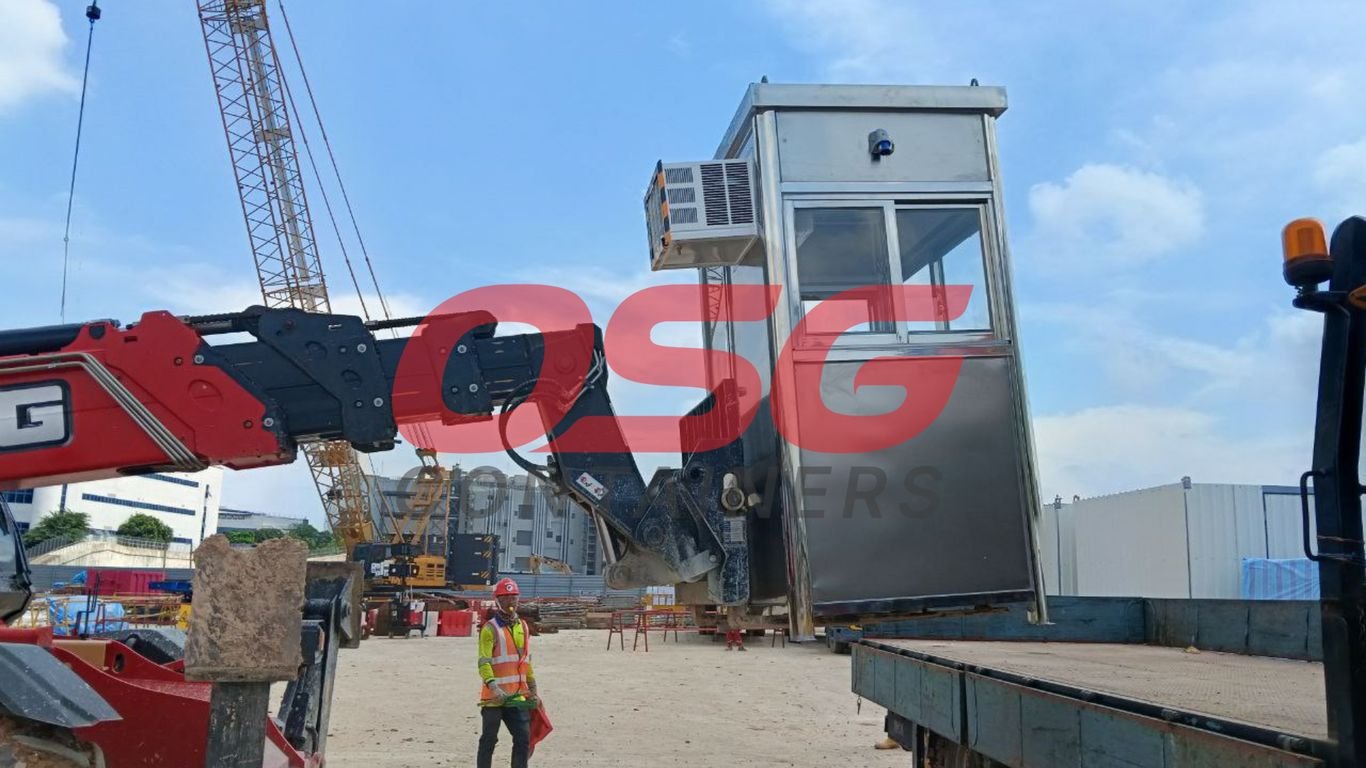
Thinking about getting a guardhouse? It sounds pretty simple, but honestly, most projects miss some really important stuff when they’re planning. It’s not just about picking a small building. You’ve got to think about why you need it, where it’s going, and what it needs to do. Getting these details right from the start saves a lot of headaches later on, and makes sure your guardhouse actually works for you.
Key Takeaways
- Figure out the main job of your guardhouse. Is it mostly for security, or does it need to look good too? Also, think about the person working inside – they need a decent spot.
- Where you put the guardhouse matters a lot for seeing what’s going on and controlling who comes in. Make sure it’s big enough for the guard and any equipment they need.
- Build it strong. Pick materials that can handle the weather and last a long time. Don’t forget to think about upkeep so it doesn’t fall apart.
- Don’t forget the important extras. Things like heating and cooling, good lights, and power hookups make the guardhouse useful. Decide if you might need to move it later.
- When you look at prices, compare different options carefully. The cheapest guardhouse might not be the best deal in the long run. Think about how long it will last and what you get for your money.
Understanding The Core Purpose Of A Guardhouse
When you’re looking into getting a guard booth, it’s easy to get sidetracked by the shiny details like paint color or how big it is. But before you even start thinking about that, let’s really nail down why you need one in the first place. A guard house isn’t just a little box for someone to sit in; it does a few important jobs that often get overlooked.
Enhancing Property Security
This is usually the main driver for getting a guard house. It acts as a visible deterrent. Just having a structure where security personnel can watch over entry points makes anyone with bad intentions think twice. It makes your property look more official and secure. Plus, it gives your security team a central spot to keep an eye on things and manage who comes and goes, which is a lot better than them just pacing around.
First Impressions Matter
Think about it: the guard booth is often the very first thing visitors, clients, or even your own employees see when they pull up to your facility. What kind of message does that send? A clean, professional-looking guard house suggests you take security and order seriously. It sets a certain tone right from the start. On the flip side, a beat-up or poorly placed structure can make your business look less organized or even a bit unwelcoming. It’s kind of like the handshake of your property’s entrance.
Providing A Comfortable Workstation
Your security guards are out there on the front lines, often working long hours in all kinds of weather. A guard house isn’t just a shelter; it’s their actual workspace. If they’re stuck in a tight, uncomfortable space with no way to control the temperature, their focus can really suffer. This can affect how alert they are and how well they do their job. Giving them a decent place to work, with things like heating, cooling, and enough room to move, shows you value their work and helps them do their job better. It’s a pretty simple investment that pays off in vigilance and morale.
It’s important to remember that the guard booth is a tool. Like any tool, its effectiveness depends on how well it’s designed and used. Overlooking its core functions can lead to a less effective security presence and a missed opportunity to make a good first impression.
Strategic Guardhouse Location And Size Considerations
Picking the right spot and getting the size just right for your guardhouse is a pretty big deal. It’s not just about where it looks good on the property map; it’s about making sure your security team can actually do their job well and that the structure fits without causing new problems. You don’t want to end up with a guardhouse that’s either too small to be useful or so big it gets in the way.
Optimizing Visibility and Access Control
Think about where people and vehicles will be coming and going. You want your guardhouse to have a clear view of the main entry points. This helps guards spot potential issues before they become real problems and makes managing who enters and leaves much easier. A guardhouse tucked away behind a building or a big tree isn’t going to offer much security. It needs to be visible enough to act as a deterrent and let guards see approaching individuals or vehicles from a good distance. Also, consider the flow of traffic – you don’t want your guardhouse to create a traffic jam or be in a spot that’s hard to get to.
Accommodating Personnel and Equipment
How many people will be working in the guardhouse at any one time? Will they need space for desks, computers, radios, or other gear? You don’t want your guards crammed into a tiny space where they can barely move or work comfortably. This can lead to fatigue and mistakes. It’s worth thinking about:
- The number of guards on duty at peak times.
- Any equipment like monitors, computers, or communication devices.
- Storage needs for supplies or personal items.
Considering Physical Land Space Availability
This one’s pretty straightforward. How much room do you actually have to work with on your property? You might have a grand idea for a large, multi-person guardhouse, but if you only have a small patch of land available, it’s just not going to happen. Measure the area carefully and consider not just the footprint of the guardhouse itself, but also any surrounding space needed for access, parking (if applicable), or future expansion. Sometimes, a smaller, well-designed unit is a better fit than trying to force a large one into a tight spot.
| Guardhouse Size | Typical Occupancy | Primary Use Cases |
|---|---|---|
| Small | 1 Guard | Basic entry point monitoring, limited equipment |
| Medium | 1-2 Guards | Moderate equipment, central point for a small team |
| Large | 2+ Guards | Multiple personnel, extensive equipment, command center |
The size of the guardhouse should directly reflect the operational needs of the security personnel. Overcrowding can negatively impact performance and morale, while excessive space might be an inefficient use of resources.
Build Quality And Durability For Your Guardhouse
Evaluating Materials and Construction Methods
When you’re looking at guardhouses, the materials and how they’re put together really matter. It’s not just about making something that looks good; it’s about building a structure that can handle whatever the weather throws at it and lasts for a long time. Think about it like building a house – you wouldn’t use cheap wood that rots in the first rain, right? The same goes for a guardhouse that needs to stand up to sun, wind, and maybe even snow, year after year. You’re not just buying a box; you’re investing in a functional space that needs to stand up to daily use and weather.
Here are some common material choices:
- Steel: Offers great strength and security. It can be a bit heavier and needs proper treatment (like galvanization) to prevent rust, especially in damp climates.
- Aluminum: Lighter than steel and naturally resistant to rust, making it a good choice for coastal areas or places with a lot of rain. It’s also easier to work with.
- Composite Panels: These can offer a good balance of strength, insulation, and resistance to corrosion.
Construction methods also play a big role. Are the panels welded or bolted? A welded structure often feels more solid and can be more resistant to leaks. Factory-built units, made in controlled environments, tend to have more consistent quality than those built entirely on-site.
Ensuring Long-Term Weather Resistance
Beyond the main materials, the finishes are important too. This includes things like paint, sealants, and coatings. A good weatherproof finish will protect the underlying material from moisture and UV rays. This means no peeling paint or cracking seals that let water seep in. You want a finish that keeps its color and integrity, even when exposed to harsh sunlight or heavy rain. It’s like putting a good coat of wax on your car to protect the paint.
Consider these factors for weatherproofing:
- Corrosion Resistance: Especially important for metal structures. Look for galvanized steel, powder-coated finishes, or naturally non-corrosive materials like aluminum.
- Waterproofing: Proper sealing around windows, doors, and roof joints is key. Check that the sealant used is rated for outdoor use and won’t degrade quickly.
- UV Protection: The finish should be able to withstand prolonged sun exposure without fading or chalking.
A guardhouse that isn’t properly sealed or finished can quickly develop problems like rust, rot, or leaks. These issues not only look bad but can compromise the structural integrity and comfort of the space over time.
The Importance of a Solid Investment
When you’re looking at the price tag, try to think beyond just the initial purchase. A well-built guardhouse can serve your business for many years. Consider the cost of maintenance, potential repairs, and how long you expect it to be useful. Sometimes, spending a bit more upfront means fewer costs and less hassle later on. It’s about finding that sweet spot where you get a reliable structure that supports your security needs without becoming a constant drain on your resources. A good guardhouse is an asset, not just an expense. It contributes to the safety and efficiency of your operations, which is pretty important for any business.
Here’s a quick look at how initial cost relates to long-term value:
| Factor | Lower Initial Cost Guardhouse | Higher Initial Cost Guardhouse |
|---|---|---|
| Materials | Basic, potentially less durable | Premium, more resistant |
| Construction | Standard | Enhanced, more robust |
| Weatherproofing | Adequate | Superior, long-lasting |
| Expected Lifespan | Shorter | Longer |
| Maintenance Needs | Higher | Lower |
| Long-Term Value | Potentially lower | Potentially higher |
Choosing a vendor with a good reputation and a solid warranty can also be a sign that they stand behind the quality of their product. Don’t be afraid to ask about their construction process and what makes their buildings durable.
Essential Guardhouse Features For Operational Effectiveness
When you’re planning for a guardhouse, it’s easy to get lost in the details of size and materials. But what really makes a guardhouse work well day-to-day? It comes down to a few key features that directly impact the people using it and the security it provides. Think about these things to make sure your guardhouse is more than just a box on your property.
Optimal Window Placement for Clear Sightlines
Windows are your guard’s eyes on the world. You need them placed just right so your security personnel can see everything important without having to strain or miss anything. This means thinking about where people and vehicles will actually be coming and going. A guardhouse with blind spots isn’t much of a security asset. It’s about giving them a clear, unobstructed view of the main entry points and the surrounding area. This helps them spot potential issues early and manage access effectively. It’s not just about having windows, but having the right windows in the right places.
Adequate Interior Space and Layout
Nobody works well when they’re crammed into a tiny space. Your guards will be spending a lot of time in the guardhouse, often during long shifts. They need enough room to move around, store their personal belongings, and set up any necessary equipment like computers or radios. A well-thought-out layout can make a big difference in their comfort and focus. Consider:
- Number of personnel: How many people might be in the guardhouse at once?
- Equipment needs: What gear needs to be housed (monitors, computers, communication devices)?
- Comfort items: Will there be space for a small fridge or microwave if allowed?
Even simple container modifications can greatly improve the usability of the space.
Climate Control and Lighting Essentials
Your guards are on duty in all kinds of weather, so making sure they’re comfortable is key to their effectiveness. This means having proper climate control – heating in the winter and air conditioning in the summer. It’s not a luxury; it’s a necessity for maintaining alertness during long shifts. Good lighting is also vital. This includes bright, clear lighting inside the guardhouse so guards can see their work and any paperwork, as well as adequate exterior lighting around the guardhouse itself. This improves safety and visibility for everyone on the property after dark.
A guardhouse is a workspace, not just a shelter. Investing in features that support the well-being and efficiency of your security staff directly translates to better security for your property. Don’t overlook the practical needs of the people who will be using the space every day.
Budgeting For Your Guardhouse Investment
Alright, let’s talk about the money side of things. Getting a guardhouse isn’t just about picking out a structure; it’s an investment, and like any investment, you need to plan your spending carefully. It’s easy to get caught up in the features, but keeping a realistic budget in mind from the start will save you a lot of headaches later on. Think of it like planning a home renovation – you need to know what you can spend before you start picking out the fancy fixtures.
Calculating Initial Purchase and Installation Costs
The price tag you see for the guardhouse itself is just the starting point. You’ll want to get a few quotes from different suppliers to compare. Remember, the cheapest option isn’t always the best value if it means lower quality materials or fewer features you actually need. Installation is another big piece of the puzzle. Some companies include this in their price, while others charge extra. Make sure you know exactly what’s covered. This often involves preparing the site, like leveling the ground or pouring a small concrete pad, which can add to the overall cost.
Factoring in Transportation and Permit Expenses
Don’t forget about getting the guardhouse to your location. If you’re getting a pre-built unit, shipping costs can be surprisingly high, especially if it’s a long distance or a large structure. You’ll also need to check if you need any local permits to place the guardhouse on your property. These can vary a lot depending on your town or city, and ignoring them could lead to fines or having to move the whole thing later. It’s always better to ask first.
Allocating Funds for Ongoing Maintenance
This is something people often overlook. A guardhouse isn’t a ‘set it and forget it’ kind of thing. You’ll need to budget for regular upkeep to keep it in good shape. This includes things like:
- Cleaning the windows and interior to keep it looking professional.
- Checking and maintaining any HVAC systems to keep your guards comfortable.
- Inspecting electrical components, lights, and any security equipment.
- Addressing minor repairs before they become bigger problems.
The total cost of ownership goes way beyond the initial purchase. Planning for these recurring expenses will help you avoid unexpected bills down the road and keep your guardhouse in good working order for years to come. It’s about making sure your investment continues to serve its purpose effectively.
Consider that some creative container modifications might also have ongoing upkeep needs depending on the materials and systems integrated. Here’s a rough idea of what costs might look like:
| Cost Category |
|---|
| Guardhouse Unit Price |
| Site Preparation (Concrete) |
| Delivery/Transportation |
| Installation Labor |
| Permits and Fees |
| Annual Maintenance (Estimate) |
| Estimated Range (Example) |
|---|
| $5,000 – $50,000+ |
| $500 – $3,000 |
| $500 – $5,000+ |
| $500 – $2,500 |
| $100 – $1,000 |
| $200 – $1,000+ |
Planning For Future Guardhouse Needs
Evaluating Current and Future Threats
When you’re looking at getting a guardhouse, it’s not just about what you need right now. Think about what’s happening around your property today, and also what might change in the next few years. Is the area getting more crime? Have you noticed any weak spots in your current security setup? It’s also smart to think about how your business might grow or shift, because that could bring new security challenges. A guardhouse that works fine today might not be enough down the line. Planning for the future means looking beyond what’s right in front of you. What seems like a safe place now could change, and your security setup should be able to keep up.
Defining Primary Guardhouse Functions
What exactly will the guard be doing from this structure? It’s more than just watching. They might be controlling who comes in, keeping an eye on cameras, talking to other staff, or even handling deliveries. Each job needs different features and space. Here’s a quick breakdown:
- Access Control: Directing traffic, checking IDs, operating gates.
- Surveillance Monitoring: Watching CCTV feeds, logging activity.
- Communication Hub: Using radios, phones, or intercoms to coordinate with others.
- Temporary Storage: Holding packages, equipment, or even cash securely.
Considering Mobility and Relocation Options
Sometimes, you might need to move your guardhouse. Maybe your property layout changes, or you need to shift your security focus. If you think this might happen, look for guardhouses that are designed to be moved. Some come with forklift pockets or a skid base, making them easier to pick up and put down somewhere else. It’s a good idea to ask about this when you’re shopping around. It could save you a lot of hassle and money later if you ever need to relocate.
It’s easy to get caught up in the immediate needs, but a little foresight can save a lot of headaches. Thinking about potential future changes, even if they seem unlikely now, can make your investment much more flexible and long-lasting.
Wrapping It Up
So, when you’re looking at getting a guardhouse, remember it’s not just about picking out a little building. It’s a pretty important part of your whole security plan, and honestly, it’s often the first thing people see when they get to your place. Don’t just grab the first option you find. Take a moment to really think about what your guards need to do their jobs well – like having enough room and being comfortable, especially during long shifts. Also, think about whether you might need to move it down the road. Spending a bit of extra time planning this out now means you’ll end up with a guardhouse that actually works for you, keeps everyone safe, and makes a good impression, instead of just becoming another headache later on.
Frequently Asked Questions
Why is a guardhouse important for a business?
A guardhouse is like a security checkpoint for your property. It helps keep unwanted people out, stops theft, and makes sure only authorized folks come in. Plus, it gives your security guards a safe and comfy place to work from, so they can stay alert and do their job well.
What should I think about when designing a guardhouse?
When planning a guardhouse, think about how strong it needs to be and if it will last a long time. Also, make sure the windows are placed just right so the guard can see everything important without any blind spots. It’s also key to have enough room inside for the guard and any equipment they might need.
Are portable guardhouses a good option?
Yes, portable guardhouses are a great choice, especially if your business might move or change locations. They are built in a factory and can be moved as one piece, which saves a lot of hassle and money compared to building a new one each time. This makes them really flexible.
Can I customize a guardhouse to fit my needs?
Absolutely! Most companies that make guardhouses let you customize them. You can choose the size, add special features like a bathroom or air conditioning, and even pick the materials. This way, you get a guardhouse that’s perfect for exactly what your business requires.
How do I choose the best guardhouse for my budget?
To pick the best guardhouse for your budget, compare prices from different sellers, but don’t just go for the cheapest. Think about the quality of the materials and how long it will last. Also, remember to include costs for delivery, setting it up, and any permits you might need. Sometimes, spending a little more upfront means it’ll cost less in the long run.
How long do guardhouses usually last?
If you get a good quality one and take care of it, a guardhouse can last a really long time, often 15 to 25 years or even more. Regular cleaning and checking the lights and locks helps a lot to keep it in good shape.